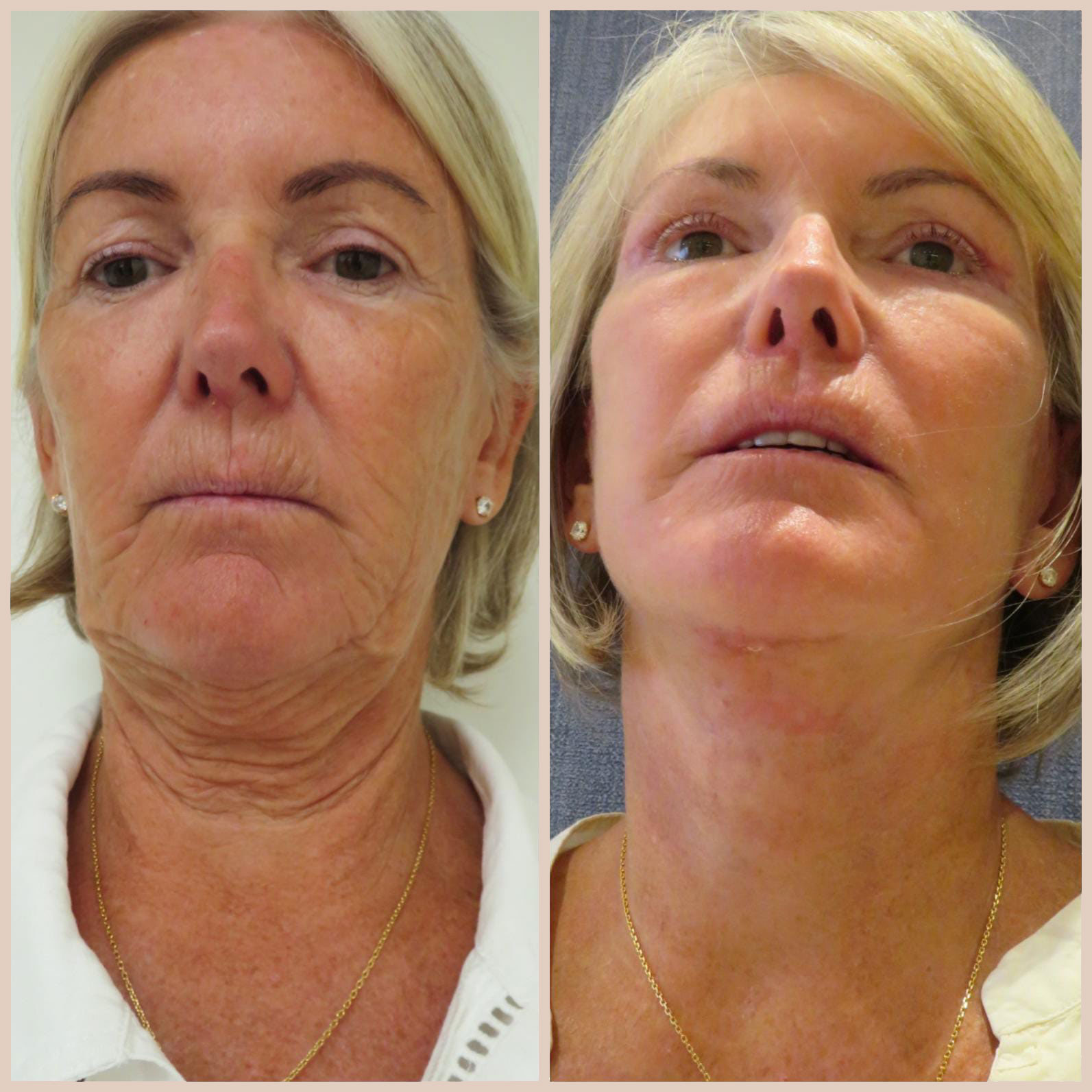
Losing weight is an important step towards better health and well-being, but what happens when the skin cannot adapt to the body’s new shape? Sagging skin in the face, abdomen or arms is one of the concerns that may arise after significant weight loss, particularly when it occurs over a relatively short period.
In recent years, medications such as Ozempic and other drugs based on GLP-1 receptor agonists have gained prominence in the treatment of type 2 diabetes and, in certain cases, obesity. These treatments can help patients achieve substantial weight loss under medical supervision. However, losing weight does not always mean that the skin will regain its firmness on its own.
When body volume decreases, excess skin may remain loose, saggy or hanging, even after adopting a balanced diet and exercising regularly.
Why Does Skin Become Loose After Weight Loss?
The skin has a natural ability to adapt, thanks to its collagen and elastin fibres, which provide strength and elasticity. However, this ability is limited and depends on several factors, including age, genetics, the skin’s condition before weight loss, how long excess weight has been present and the total amount of weight lost.
When significant weight loss occurs, fatty tissue decreases in volume, but the skin does not always retract to the same extent. The result may be thin, wrinkled or loose skin that appears empty or hangs down.
This can affect different areas of the body:
- Face and neck: Loss of volume can make sagging cheeks, descended tissues, deeper folds and a less defined jawline more noticeable.
- Abdomen: Excess skin may remain, creating folds, particularly around the lower abdomen.
- Arms: Loose skin on the inner upper arms may hang down and can be difficult to improve through exercise alone.
It is important to note that not everyone who takes these medications develops loose skin. The outcome depends primarily on the amount of weight lost and each individual’s characteristics.
Can Skin Firmness Be Restored Without Surgery?
Adequate hydration, a balanced diet, strength training and healthy lifestyle habits contribute to overall well-being and may improve certain aspects of skin quality. However, when a significant amount of excess skin is present, these measures are unlikely to remove it.
Not all aesthetic treatments offer the same results, either. Non-surgical procedures may be useful in selected cases of mild skin laxity, but they have limitations when there is a considerable amount of excess skin.
In these situations, plastic surgery can remove excess tissue and reshape specific areas of the face or body. The most appropriate procedure depends on the patient’s anatomy, the degree of skin laxity and their expectations.
Which Procedures Can Help Treat Loose Skin After Weight Loss?
At Dr Patricia Martínez’s practice, each patient is assessed individually to determine which technique may provide the most appropriate results.
Facelift and Neck Lift: Restoring Facial and Neck Definition
After significant weight loss, some people notice that their face appears older or that their neck has lost its firmness. Reduced facial volume can accentuate sagging and make the jawline less defined.
A facelift or cervicofacial lift, is a surgical procedure designed to address sagging in the face and neck. Depending on each patient’s needs, it can reposition underlying tissues, improve facial contours and remove excess skin.
The aim is not to change the patient’s features or create an artificial appearance, but to achieve a more refreshed and harmonious look while preserving their natural facial characteristics.
Tummy Tuck: Removing Excess Abdominal Skin
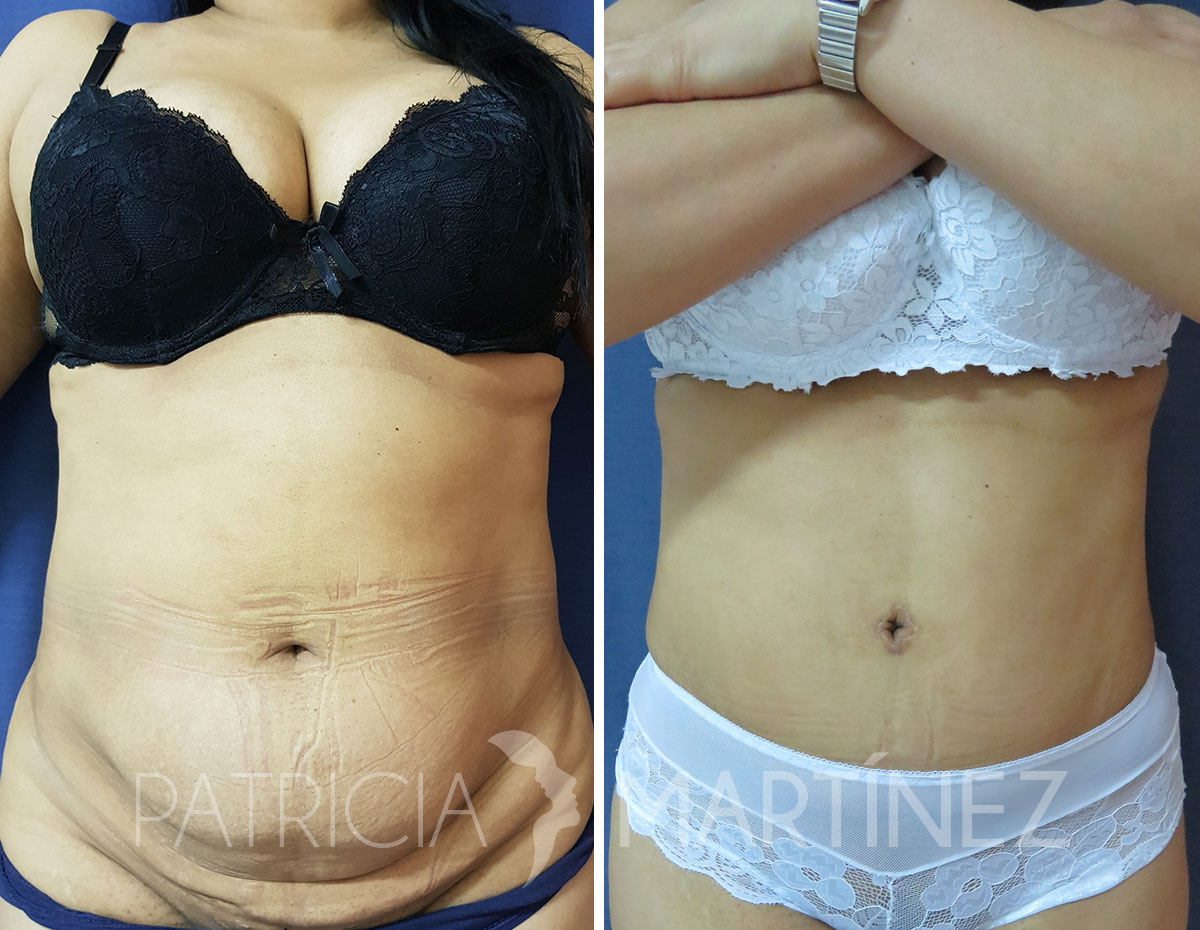
The abdomen is one of the areas where weight loss can leave particularly noticeable excess skin. The skin may hang down, form folds and even affect comfort when getting dressed or carrying out certain activities.
A tummy tuck, or abdominoplasty, removes excess skin and reshapes the abdominal contour. Depending on the medical assessment, the procedure may also include repair of the abdominal muscles if separation of the rectus abdominis muscles is present.
The goal is not simply to achieve a flatter stomach, but to adapt the abdominal shape to the patient’s new body proportions.
Arm Lift: Improving the Contour of the Upper Arms
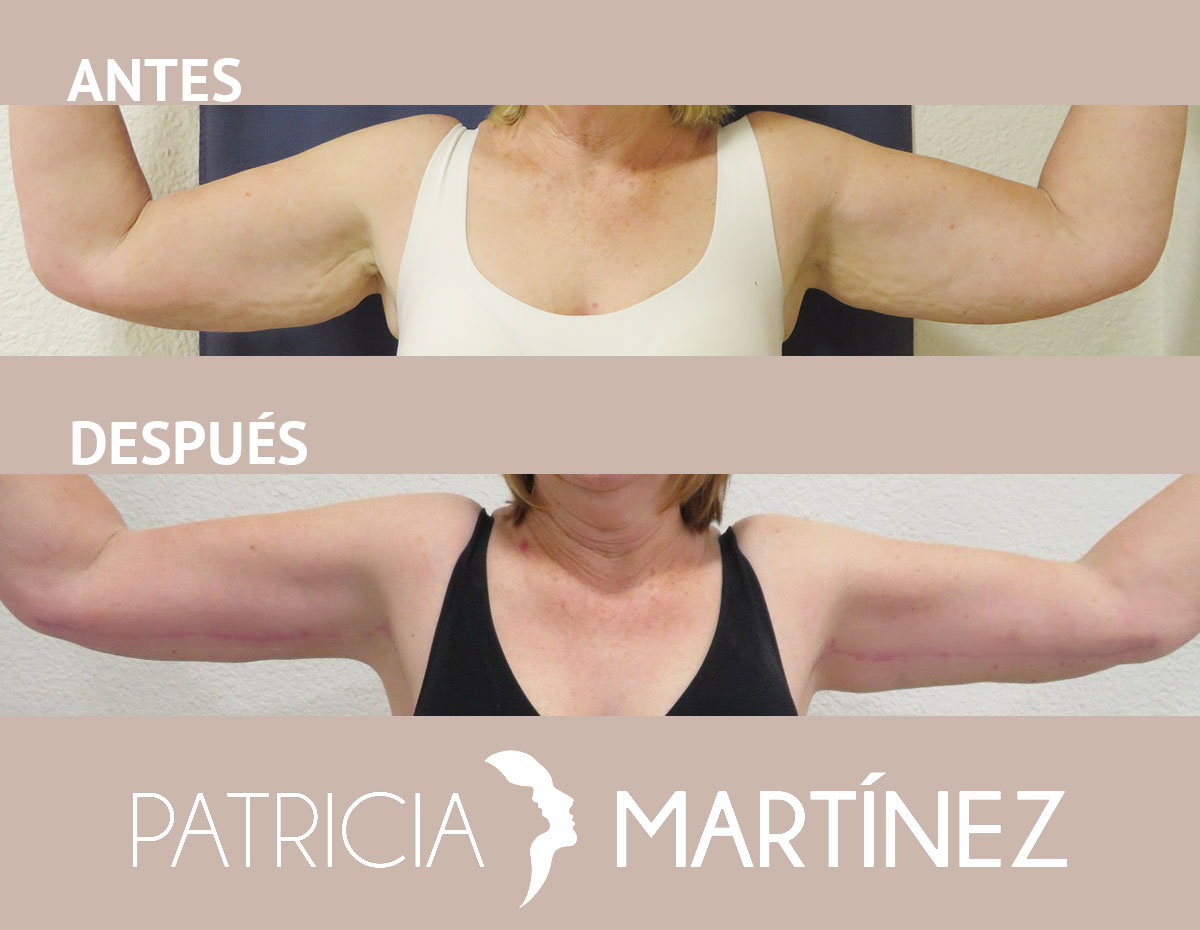
Loose skin on the upper arms is another common concern after weight loss. Although exercise helps build muscle, it cannot remove a significant amount of excess skin.
An arm lift, also known as brachioplasty, involves removing excess skin to improve the shape and contour of the upper arms. It can be particularly helpful when the skin hangs noticeably and affects the patient’s body image or comfort.
As with any surgical procedure, an individual assessment is essential. Patients should also understand that scarring is part of the process, with the size and location of scars depending on how much skin needs to be removed.
When Should You Consider Surgery After Losing Weight?
Before considering surgery, it is important for the patient’s weight to have stabilised sufficiently and for them to be in an appropriate state of health to undergo surgery and recover safely.
Nutritional status, current medications and any other factors that could affect surgical safety must also be assessed. Patients taking weight-loss medication should coordinate its management with the healthcare professionals responsible for their treatment and their surgical team, without changing or stopping medication on their own.
During a consultation, the surgeon can assess the areas affected by loose skin, explain the potential improvements and answer questions about scarring, recovery and expected results.
If you have lost a significant amount of weight and are concerned about loose skin, a personalised consultation can help you understand the available options and decide, with appropriate medical guidance, which next step may be right for you.