


Eyebrow lift
What is an eyebrow lift
An eyebrow lift is a plastic surgery procedure designed to lift and reposition the eyebrows, providing a more rejuvenated and harmonious appearance to the face. Over time, the skin loses elasticity, which can cause eyebrows to droop and give a tired or aged appearance. This procedure helps restore a fresher, more youthful appearance.
It is also indicated for young patients who have droopy eyebrows due to genetics, rather than aging.
Surgery time
Anaesthesia
Hospitalization
Eyebrow lift cases
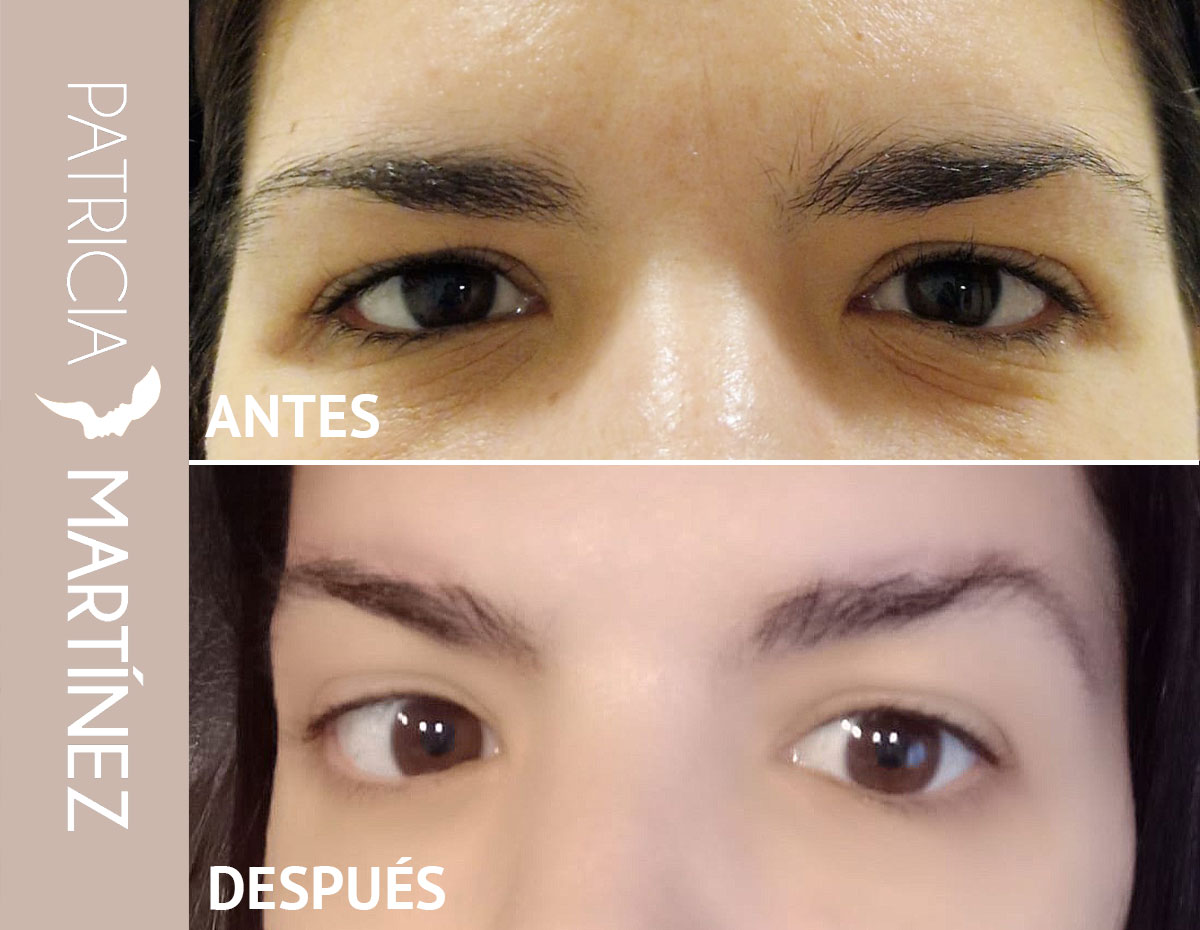
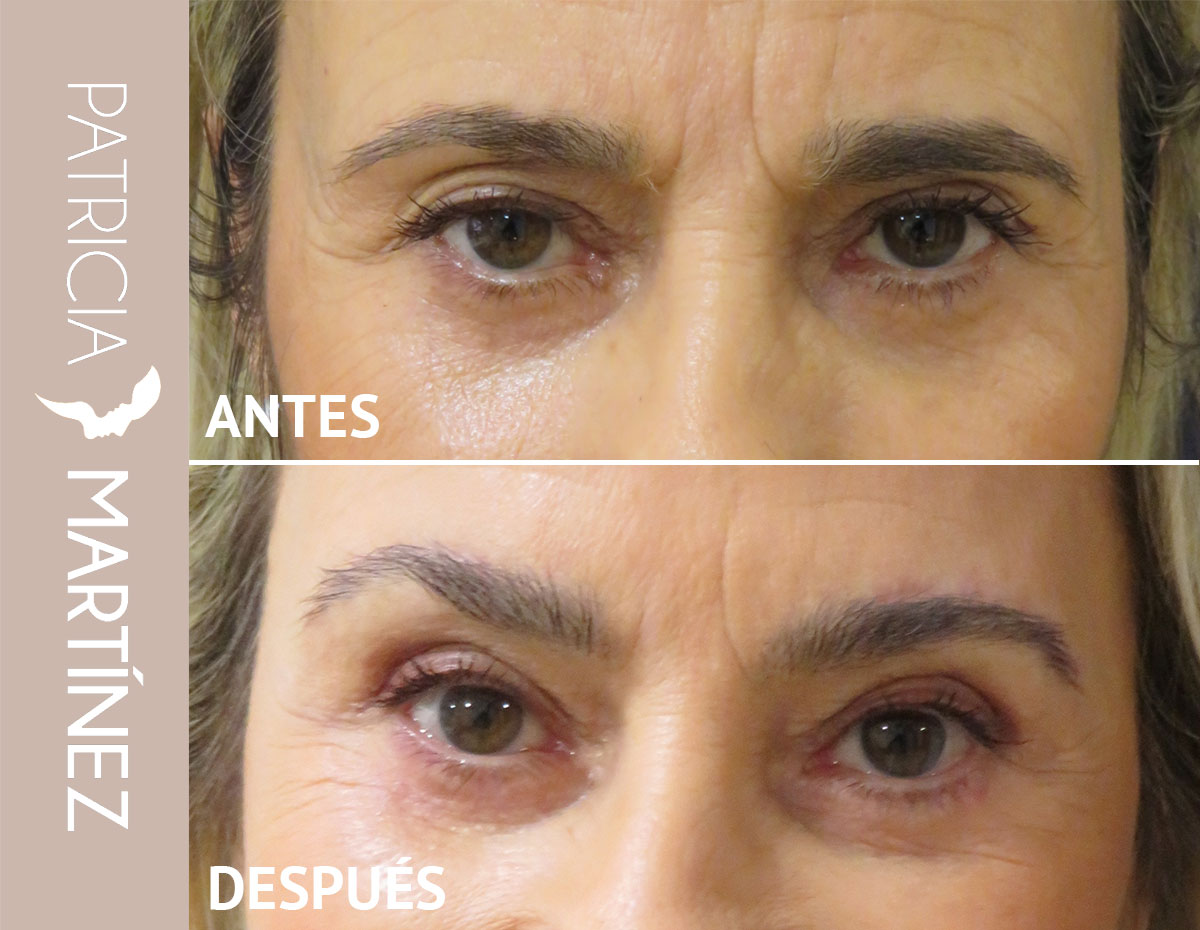
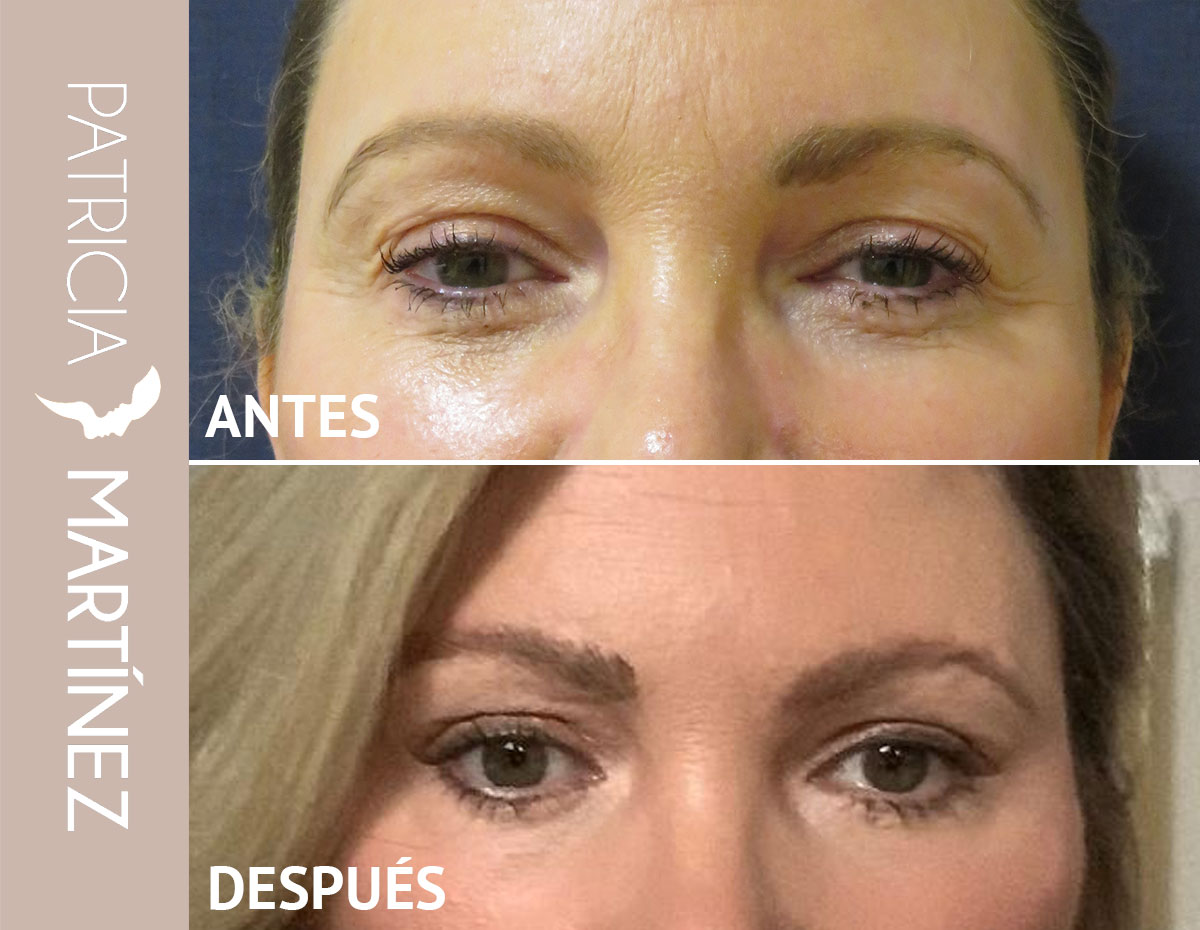
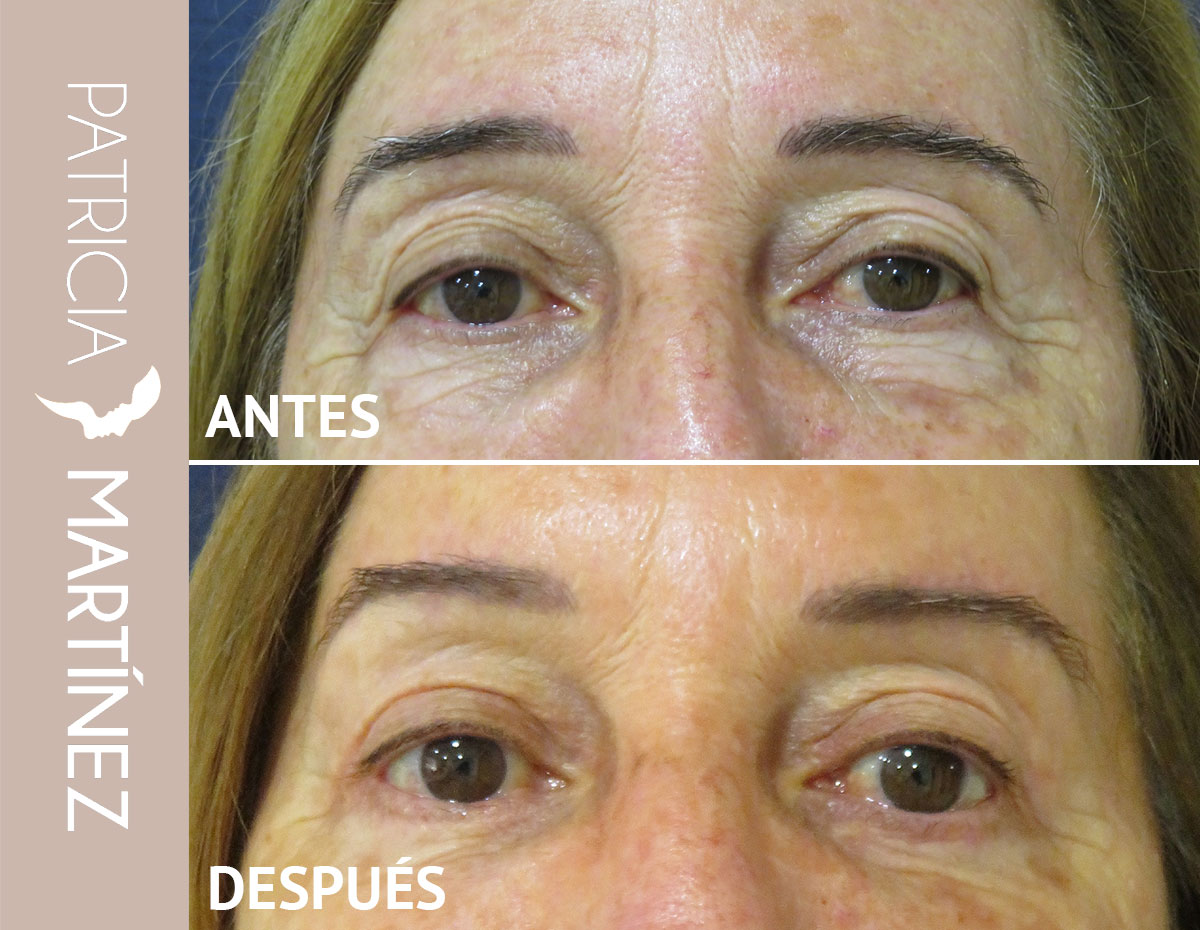
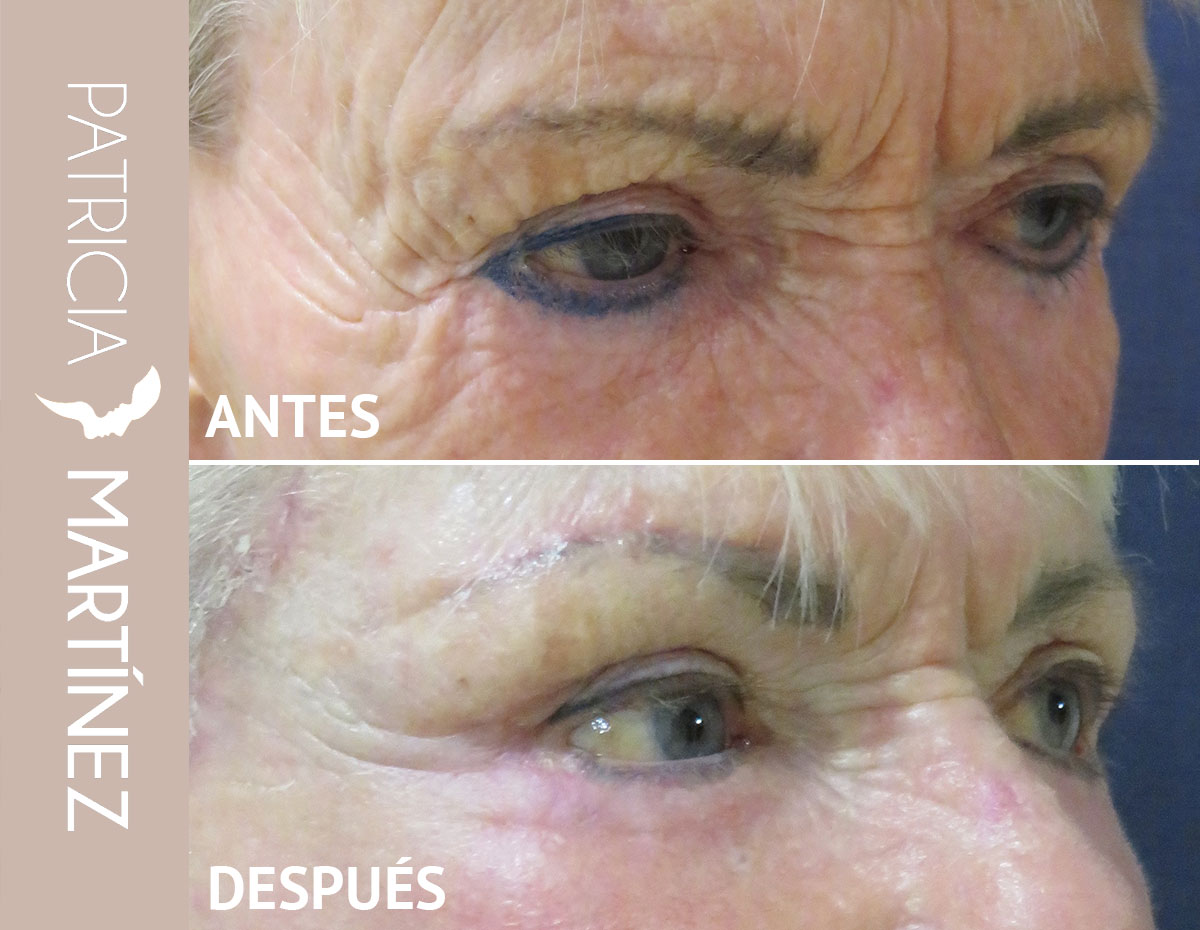
Ideal candidate for an eyebrow lift
A brow lift is an excellent option for people who have:
- Drooping eyebrows that give a tired or sad appearance.
- Marked wrinkles on the forehead or between the eyebrows.
- Loose skin on the upper face.
- Good overall health, with no clotting problems or active infections.
It is important for the candidate to have realistic expectations about the results and to consult with a board-certified plastic surgeon to assess whether they are a good candidate for the surgery.
The operation
A brow lift involves lifting the skin and underlying tissues to reposition the eyebrows into a more aesthetically pleasing position.
There are several techniques for this procedure. Among them, the technique we use is the direct brow lift, which gives a completely natural result instead of creating a “doctored” appearance. It is a very safe technique and can also be combined with other surgeries such as blepharoplasty or a facelift.
With a direct lift, skin is removed just above the eyebrows. It is indicated for specific cases where precision is desired.
Post-operative
After surgery, it is normal to experience some swelling and bruising in the area, which will gradually decrease over the following days.
Some recommendations for optimal recovery include:
- Apply cold compresses to reduce swelling.
- Sleep with your head elevated for the first few days.
- Avoid strenuous physical exertion for at least two weeks.
- Follow medical instructions regarding the use of pain relievers and antibiotics.
- Attend follow-up appointments with your surgeon to assess your progress.
Most patients can return to normal activities in approximately one to two weeks, although the final results are fully appreciated after several months, when the swelling completely disappears.